


TSA Introduces New $18 Fee for Travelers Without REAL ID or Passport: What You Need to Know Before You Fly
- Jetsetter

- Nov 21
- 4 min read
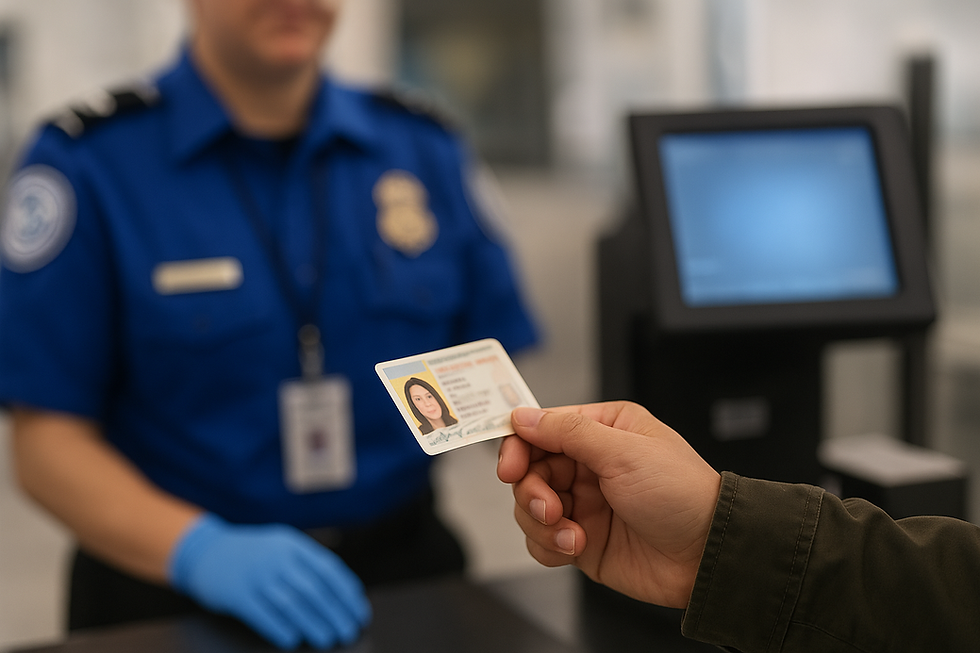
A major change is coming to airport security that every traveler should know about. The Transportation Security Administration (TSA) has announced a new policy that will impact passengers who arrive at security checkpoints without an acceptable form of identification, such as a REAL ID-compliant driver’s license or a valid passport.
Under the new rule, TSA will begin charging an $18 non-refundable fee for travelers who opt to use the agency’s updated identity-verification process, designed specifically for passengers who forget or do not possess proper ID at the time of screening. Here’s everything you need to know — and how to avoid unexpected costs and delays at the airport.
What Is the New TSA Fee?
The newly implemented fee applies to passengers who show up at a checkpoint without an acceptable form of ID and choose to verify their identity through TSA’s modernized alternative identity verification program.
This is TSA’s updated version of the long-standing “no ID” process — but with new technology, more robust verification methods, and now, a cost. The $18 fee covers the internal processing and identity-verification infrastructure required to confirm a passenger’s identity when standard identification is not available.
This fee is:
$18 per traveler
Non-refundable
Valid for up to 10 days if the passenger has multiple flights during that period
Not a guarantee that a traveler will be cleared to enter the secure area
Even after paying the fee and completing the verification process, TSA may still require additional screening or deny access if identity cannot be confidently validated.
Why Is TSA Making This Change?
According to the agency, the older method for verifying identity without an ID is time-consuming and resource-heavy. The updated system uses a combination of biographic data (such as personal information) and biometric verification, including facial-matching technology, to speed up identity confirmation and modernize airport security processes.
The fee is intended to offset the cost of maintaining the tech infrastructure, staffing, and administrative systems required for this upgraded verification method. TSA has also stated that this program falls under its authority for operating registered traveler systems, allowing the agency to charge a service-based fee.
How the New Verification Process Works
If a traveler arrives at airport security without a physical ID and chooses to use the alternative identity verification method, TSA will guide them through a multistep process that can include:
Providing personal information for confirmation
Biometric identity matching (typically facial recognition)
Watchlist and Secure Flight checks
Additional screening if necessary
Once a traveler’s identity is successfully verified, TSA allows access to the checkpoint — but again, this is not guaranteed, and the process may take longer than a standard ID check.
Can You Use the Program More Than Once?
Yes — but within limits.
The $18 fee covers a 10-day window, which is helpful for travelers taking multiple flights in a short period. But travelers who repeatedly show up without ID or who fail multiple identity-verification attempts may face restrictions on program use. TSA retains the discretion to limit how often a traveler can rely on the alternative verification system.
Which Airports Are Using the New System?
TSA has not publicly released a complete list of airports where the fee-based alternative verification system is active. While many airports already use facial-recognition or digital ID technology for security checkpoints — especially for TSA PreCheck lanes — this specific paid “no-ID” verification program has not been officially broken down airport by airport.
The rule is written broadly, suggesting that it will apply nationwide at standard TSA security checkpoints once the enrollment system goes live on TSA’s website.
Travelers should expect the rollout to expand rapidly and should check TSA.gov or contact their departure airport’s TSA office if they anticipate traveling without a REAL ID or passport.
What Counts as an Acceptable ID?
To avoid the new fee altogether, bring one of the following acceptable forms of ID when flying:
REAL ID–compliant driver’s license
U.S. passport book or passport card
Global Entry, NEXUS, or other DHS trusted traveler card
U.S. military ID
Permanent resident card
Federally recognized tribal ID
Certain mobile driver’s licenses (mDLs) at participating airports
Other government-issued IDs that meet TSA requirements
Travelers should note that full REAL ID enforcement at airport security is approaching, so ensuring your driver’s license is REAL ID–compliant is increasingly important.
How This Affects Travelers
For most travelers, this change may never come into play — but if you forget your wallet or haven’t upgraded to a REAL ID, the stakes are now higher. Key takeaways include:
Arriving without proper ID will cost you $18, even if TSA cannot confirm your identity.
The process may cause significant delays, especially during peak travel seasons.
The fee does not guarantee you will be allowed to board your flight.
This change increases the importance of having a REAL ID or passport readily available for all domestic air travel.
The Bottom Line
TSA’s new $18 fee marks a significant shift in how identity verification is handled at airport checkpoints. While the change is designed to modernize security and reduce strain on TSA resources, it also introduces new costs and potential complications for travelers who forget or lack proper identification.
For the smoothest travel experience — and to avoid unexpected fees — ensure you always bring a valid REAL ID–compliant driver’s license or passport when flying. With REAL ID enforcement on the horizon, now is the perfect time to update your documents and be prepared.


Comments