


Labadee on Pause: What Cruisers Need to Know — and Why the Caribbean’s Future Still Shines
- Jetsetter

- Jan 14
- 4 min read
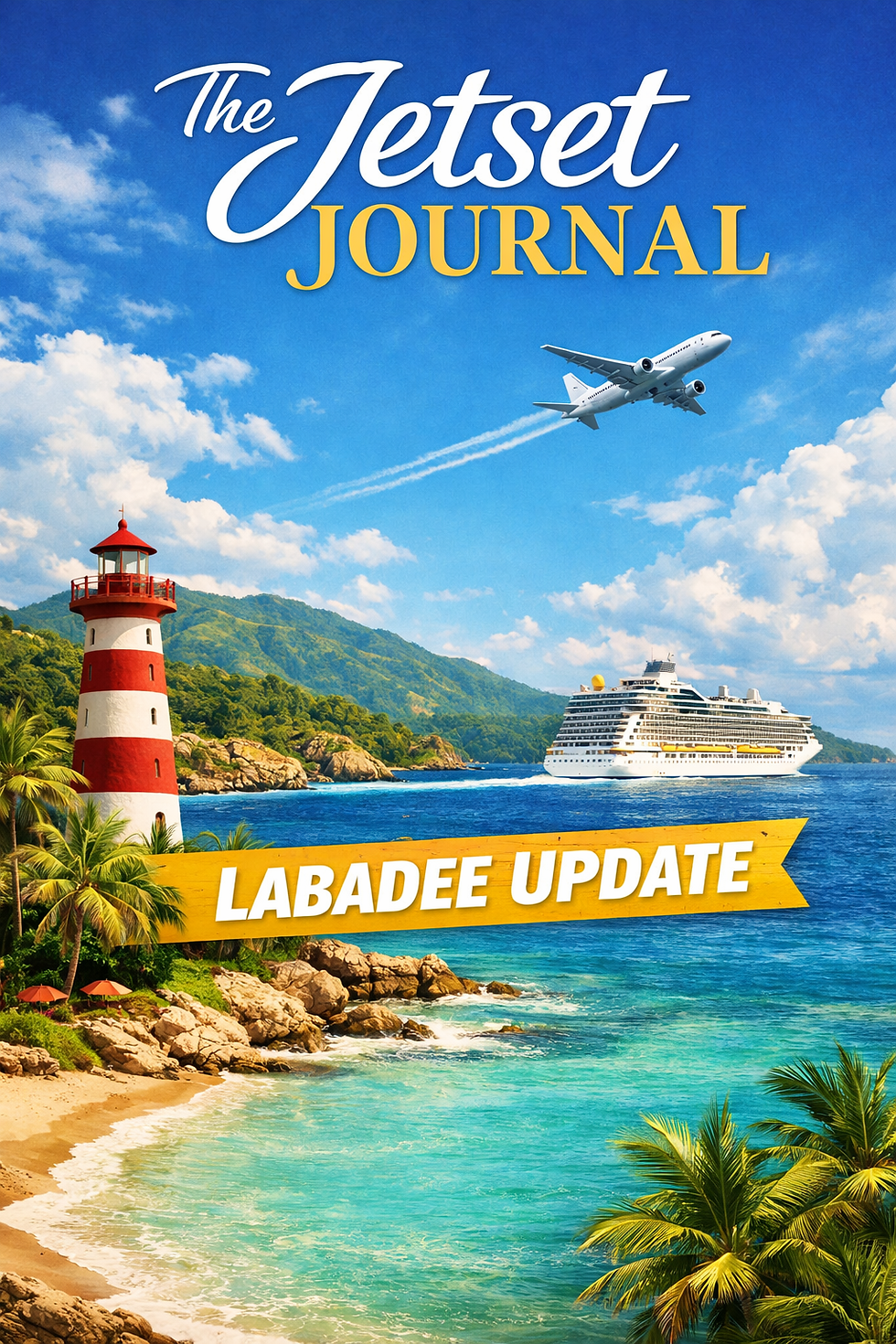
There’s been a noticeable ripple through Caribbean itineraries this year: Labadee — Royal Caribbean’s private beachfront enclave in northern Haiti — has been paused from the schedule. If Labadee was the sunny, exclusive day you’d circled on your cruise calendar, we get it — disappointment is real. But beneath the headlines there’s a sensible, safety-first decision unfolding, and a bigger story about resilience, adaptation, and the many bright alternatives the Caribbean still offers.
The short version (but with heart)
Royal Caribbean has removed Labadee from its scheduled port calls through the end of 2026. That means ships that once included the walled beach, zip-lines, and artisan markets will be calling other ports, adding sea days, or rearranging their schedules. The move is a precaution rooted in broader security concerns in Haiti — a reminder that cruise planning is about more than water, sunsets, and shore excursions; it’s about guest safety, crew welfare, and responsible travel.
What changed — practically speaking
If your upcoming cruise originally included Labadee, here’s what you can expect:
Your cruise line will notify you directly about itinerary changes and options — read its message center and your booking email first.
Typical adjustments include replacing the Labadee call with a sea day, swapping in a nearby stable port, or adjusting times at other ports of call.
Refunds, onboard credits, or alternative excursion options are often offered per the line’s policies. If the beach day was a must-have, ask your travel advisor about compensation or alternate onboard experiences.
Why this isn’t simply “about one private beach”
Labadee is geographically separated from Haiti’s urban centers and is a controlled, walled destination — but cruise operators must consider the national security picture when scheduling any port. When a country’s overall advisory status changes or instability grows, the prudent move is to set the port aside until conditions visibly improve. It’s not a permanent verdict; it’s a responsible pause.
The human side: who feels the impact?
When ships don’t call Labadee, the effects are felt beyond cruise passengers:
Local vendors, artisans, and guides who depended on cruise-day visitors face income loss. For many, a cruise call is a concentrated economic lifeline.
Cruise operators and travel advisors must rework supply chains and shore excursion plans.
Travelers may need to adjust expectations and travel plans — but they also gain new opportunities to explore alternative ports and experiences.
The industry response: quick thinking, flexible itineraries
Cruise lines are experienced at adapting. The most common fixes we’re seeing:
Add a sea day for rest, enrichment programming, or special onboard events.
Swap ports — lines are leaning on safe, accessible alternatives across the Bahamas, Turks & Caicos, Mexico, and other Caribbean islands.
Create enhanced onboard experiences to replace a missed beach day: pop-up wellness classes, curated local food events, or shipboard markets spotlighting artisans.
For travelers, this often translates into a surprise extra afternoon of lounging at sea, a new island to explore, or a unique onboard memory you hadn’t planned for.
Why to stay hopeful
Pause doesn’t equal permanent closure. Ports come and go on cruise schedules for many reasons — economics, weather, diplomacy — and history shows they can and do return when conditions warrant. Here’s why optimism is warranted:
Cruise lines monitor security carefully and will only restore calls when it’s safe for guests, crew, and local partners.
The Caribbean is vast and resilient. Islands and private destinations ready to welcome visitors are plentiful, and operators are creative about designing memorable alternatives.
Travelers’ demand for Caribbean escapes remains strong; that demand pushes investment in safe, diversified itineraries and shore experiences.
Practical tips for travelers and travel pros
If your itinerary changed: check the cruise line’s message center and your email, review offered compensation, and speak with your travel advisor.
If Labadee was a must-see: consider rebooking a future cruise once a return is announced, or look for land-based options that allow for a deeper, safer visit when conditions improve.
For agents: proactively communicate alternatives, highlight new port experiences, and help clients turn a change into an upgrade — think curated onboard meals, private shore excursions at the replacement port, or exclusive shipboard events.
Everyone: keep travel insurance current and read the small print on itinerary change protections.
The bright horizon
Cruising is built on adaptability. Lines reroute for storms, replace ports for diplomatic reasons, and innovate when situations evolve. While Labadee’s pause is a real and meaningful change, it’s also a moment that spotlights the cruise industry’s commitment to safety and to the communities whose livelihoods depend on tourism.
There’s cause for cautious optimism: when conditions improve, there’s every reason to believe Labadee — or a similar concept rooted in local partnerships and safety-first operations — could return. Until then, the Caribbean remains an irresistible playground of sun, culture, and discovery. New ports are waiting to surprise you, and shipboard life is full of chances to turn a rerouted itinerary into a trip you’ll remember for the right reasons.
Planning a cruise soon and unsure how your itinerary changes affect you? Drop your cruise date and line in the comments or send us a message — we’ll help you turn a changed port into your next great adventure. The sea has a way of offering new horizons. 🌴🛳️✈️



Comments